PSONA — People’s State of the Nation (2025—)
Chapter 1: 2025 (Quezon City, July 28, 2025)
Each year, the Philippine state stages SONA // the organized masses answer with PSONA.
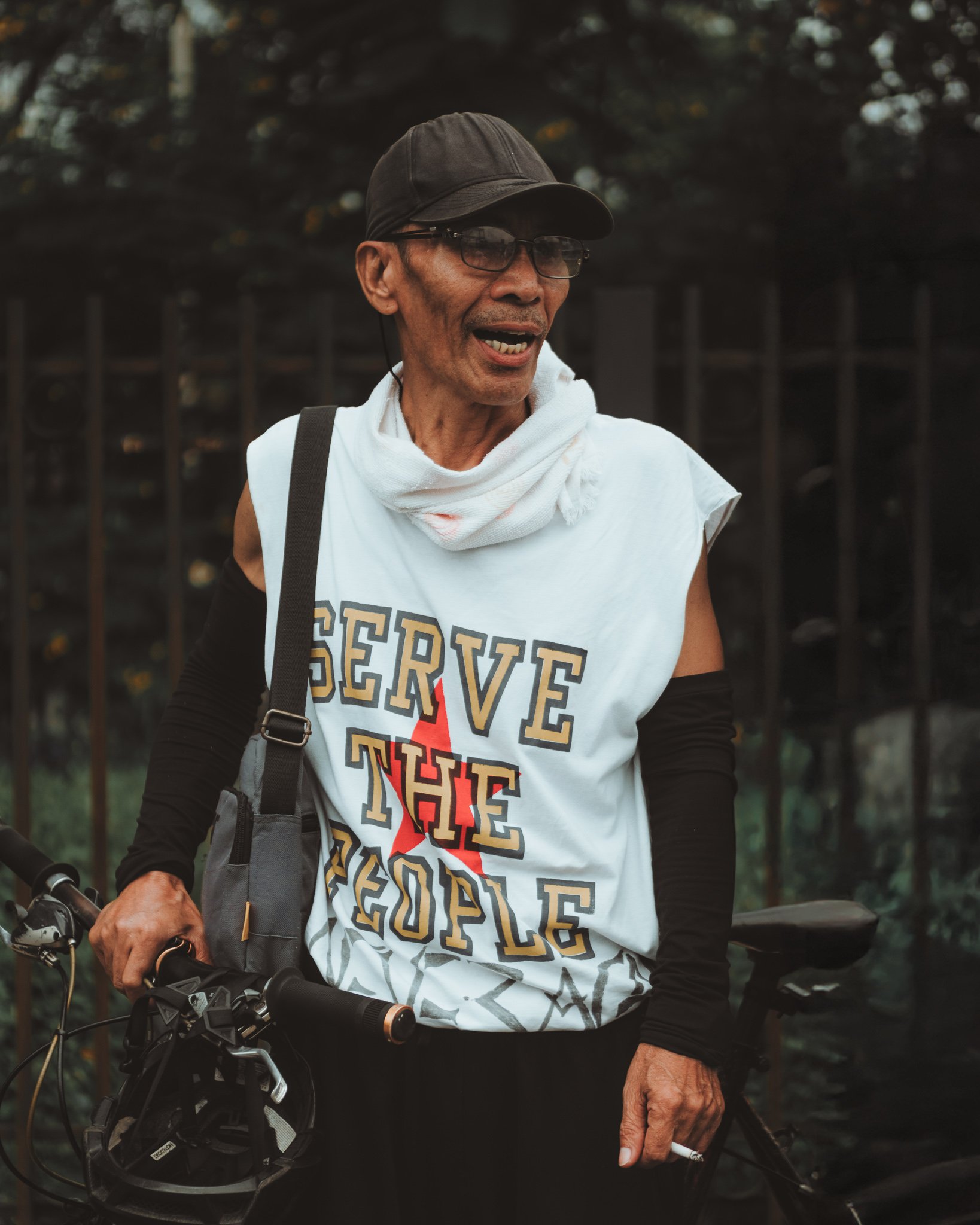
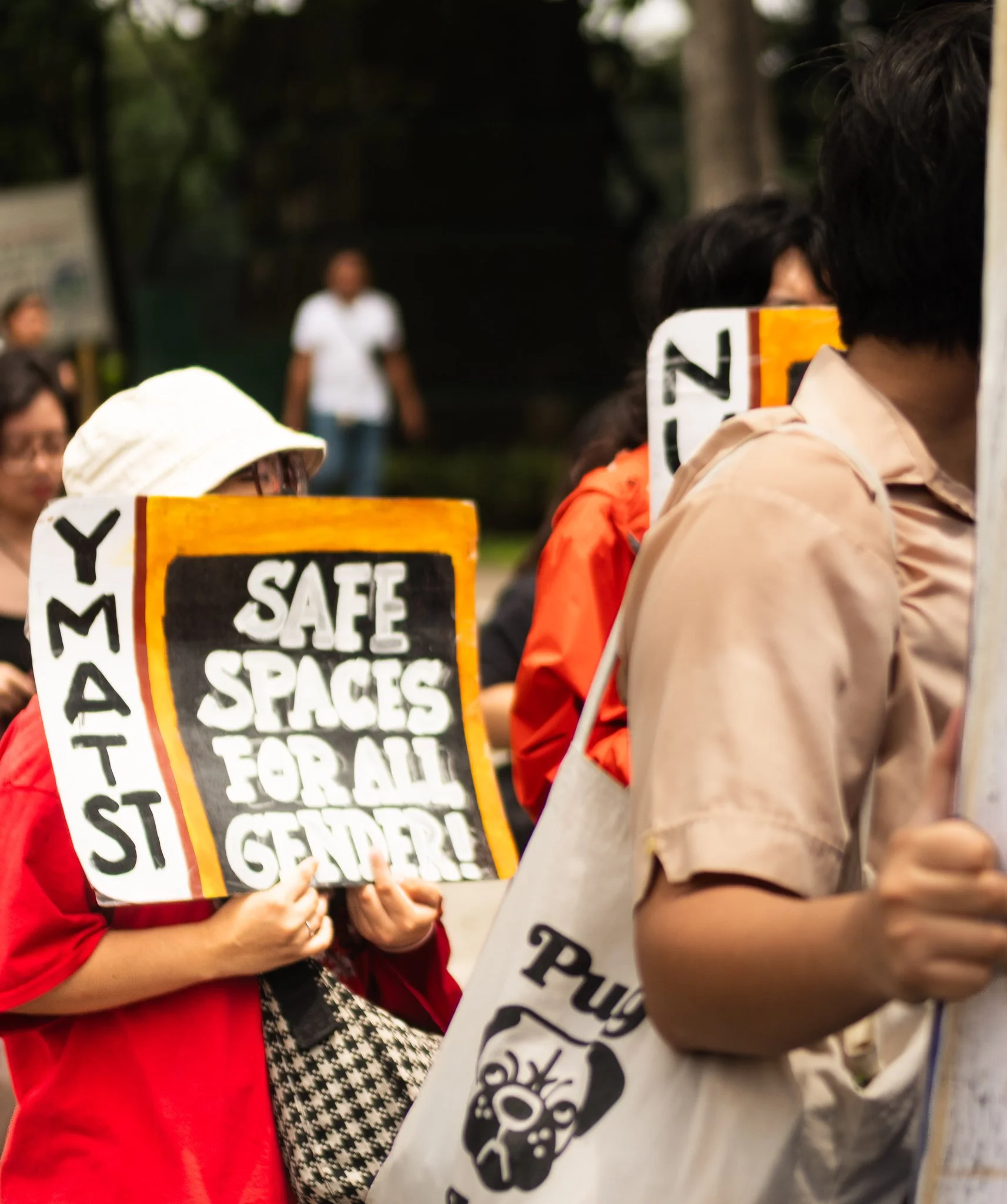
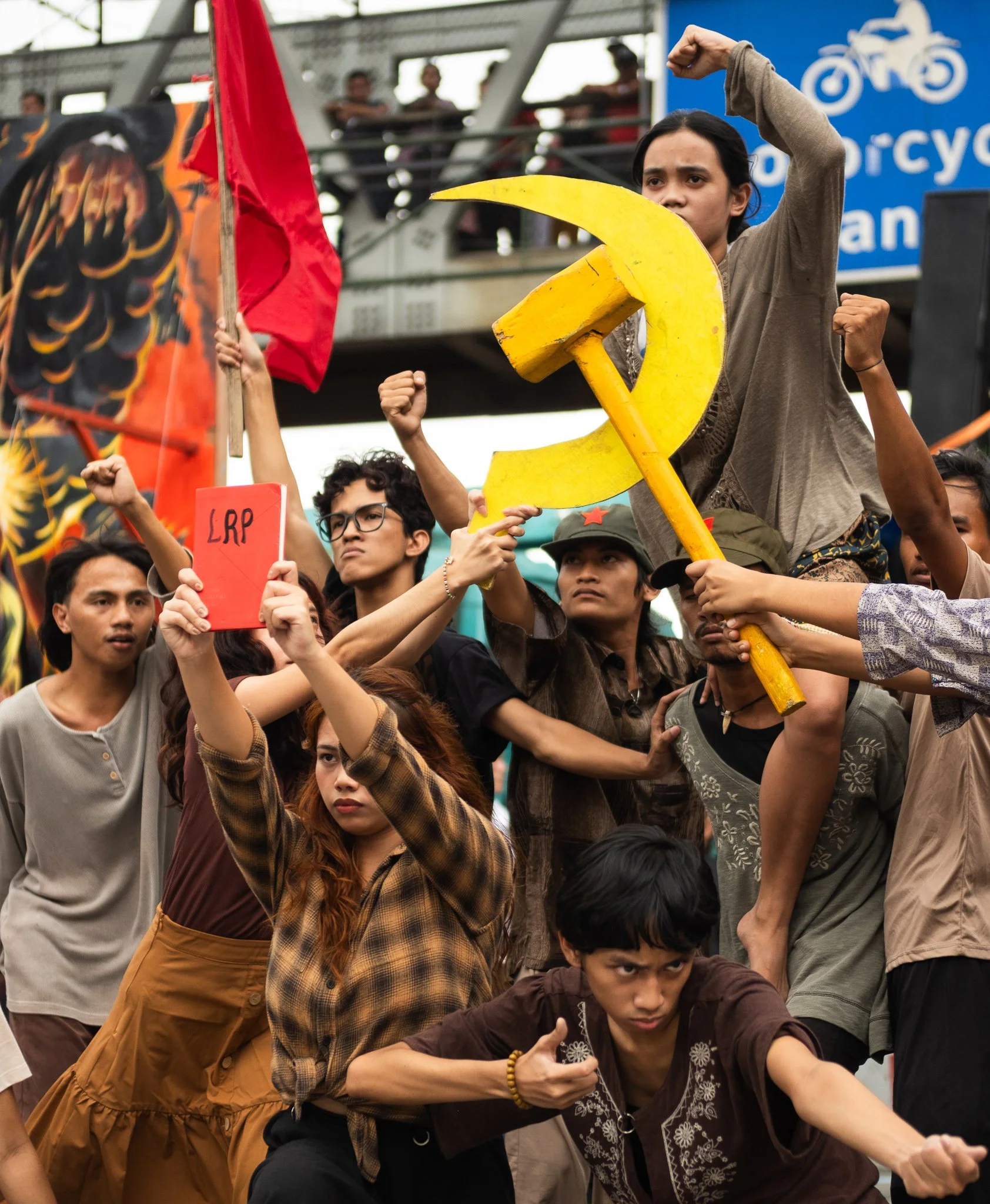
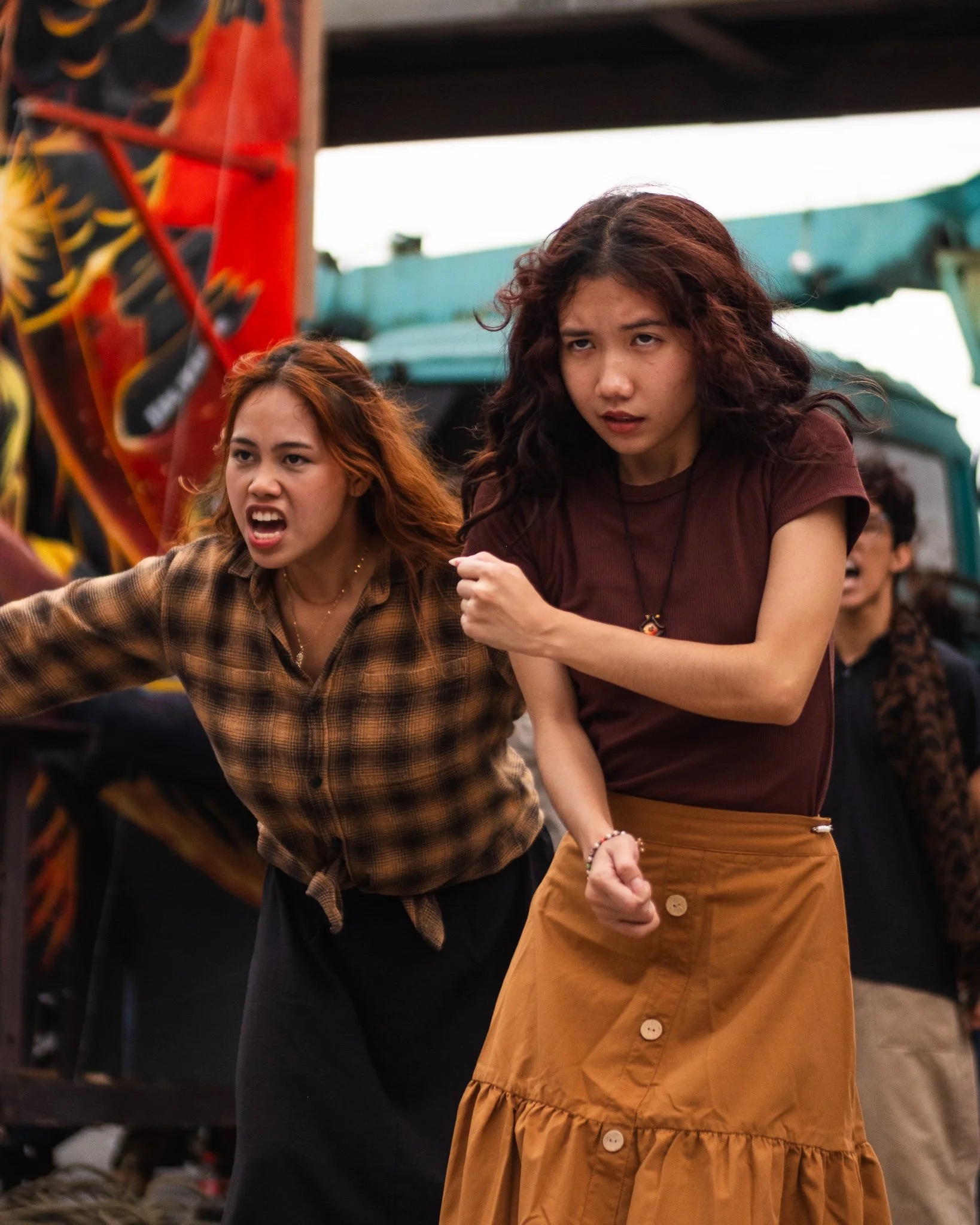
Photographing from within the mobilization, this project follows how organized sectors—workers, farmers, youth, artists, and allied communities—assemble to contest the official story of the nation and make struggle visible as public memory.
What is PSONA?
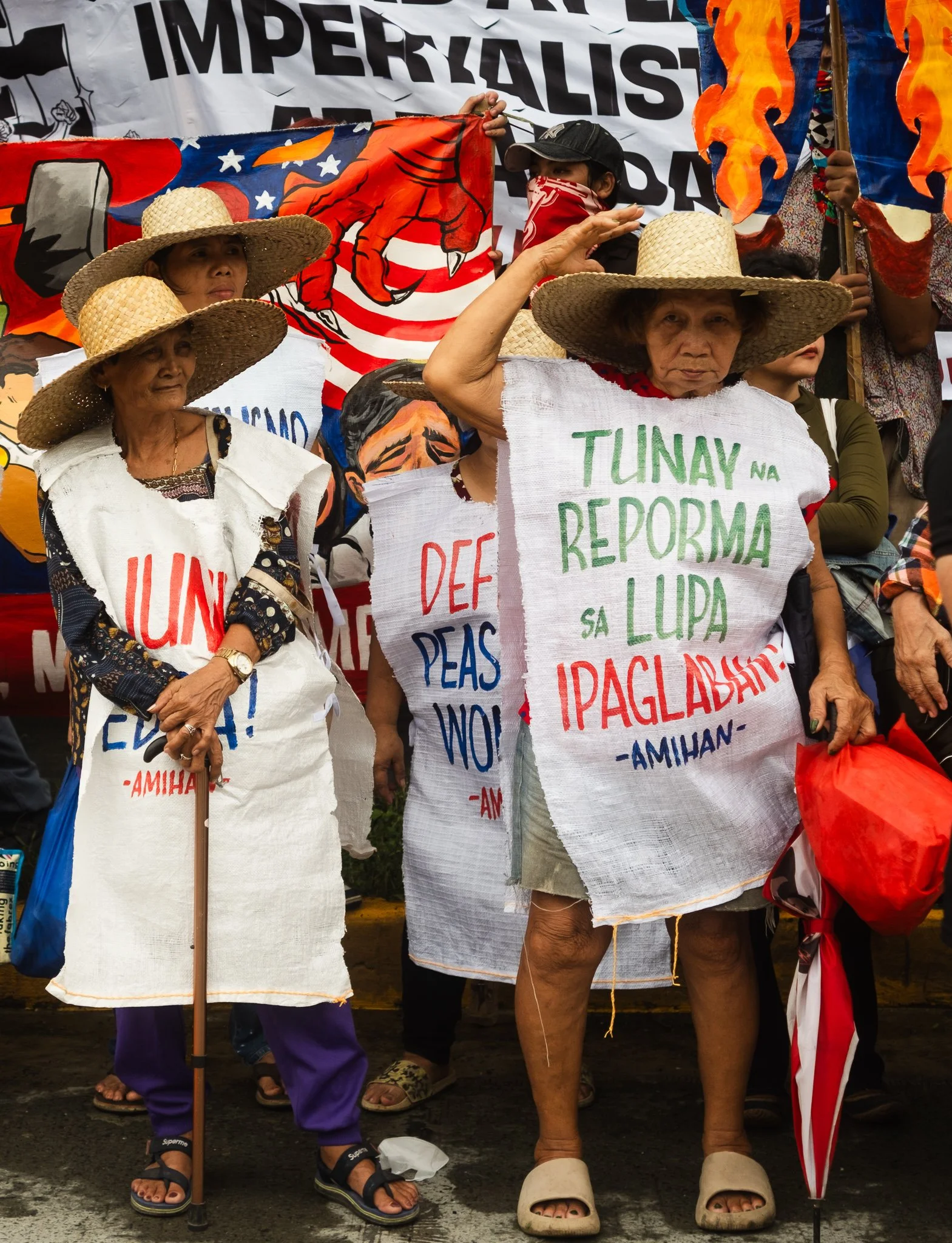
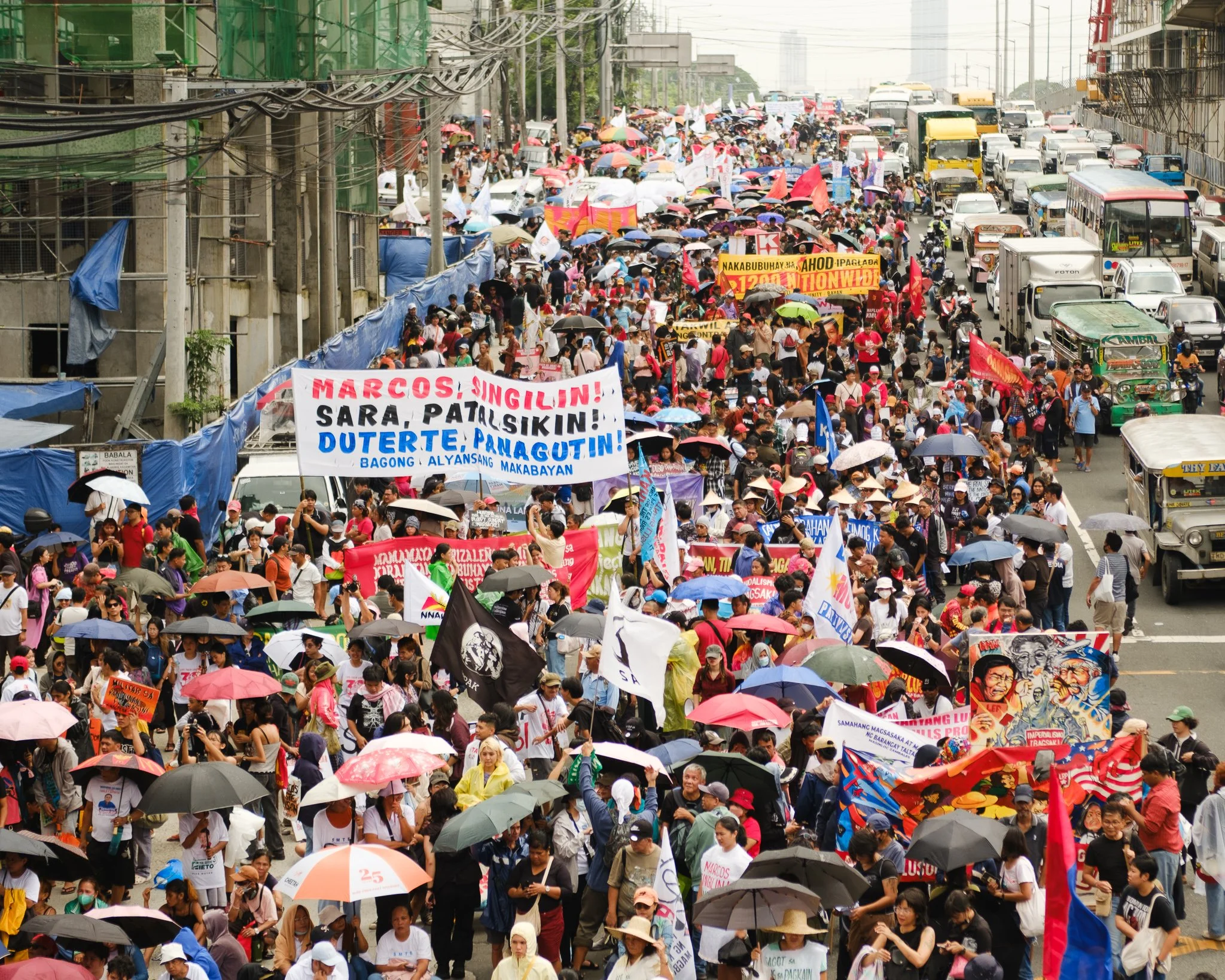
Each July, as the President of the Philippines delivers the State of the Nation Address to Congress inside the Batasang Pambansa, tens of thousands travel from across 7,000 islands to flood the streets of Manila for the counter-ritual: the People's State of the Nation Address. Peasant farmers in rice-sack hoods. Urban poor organizers. Students. Workers. Indigenous communities.
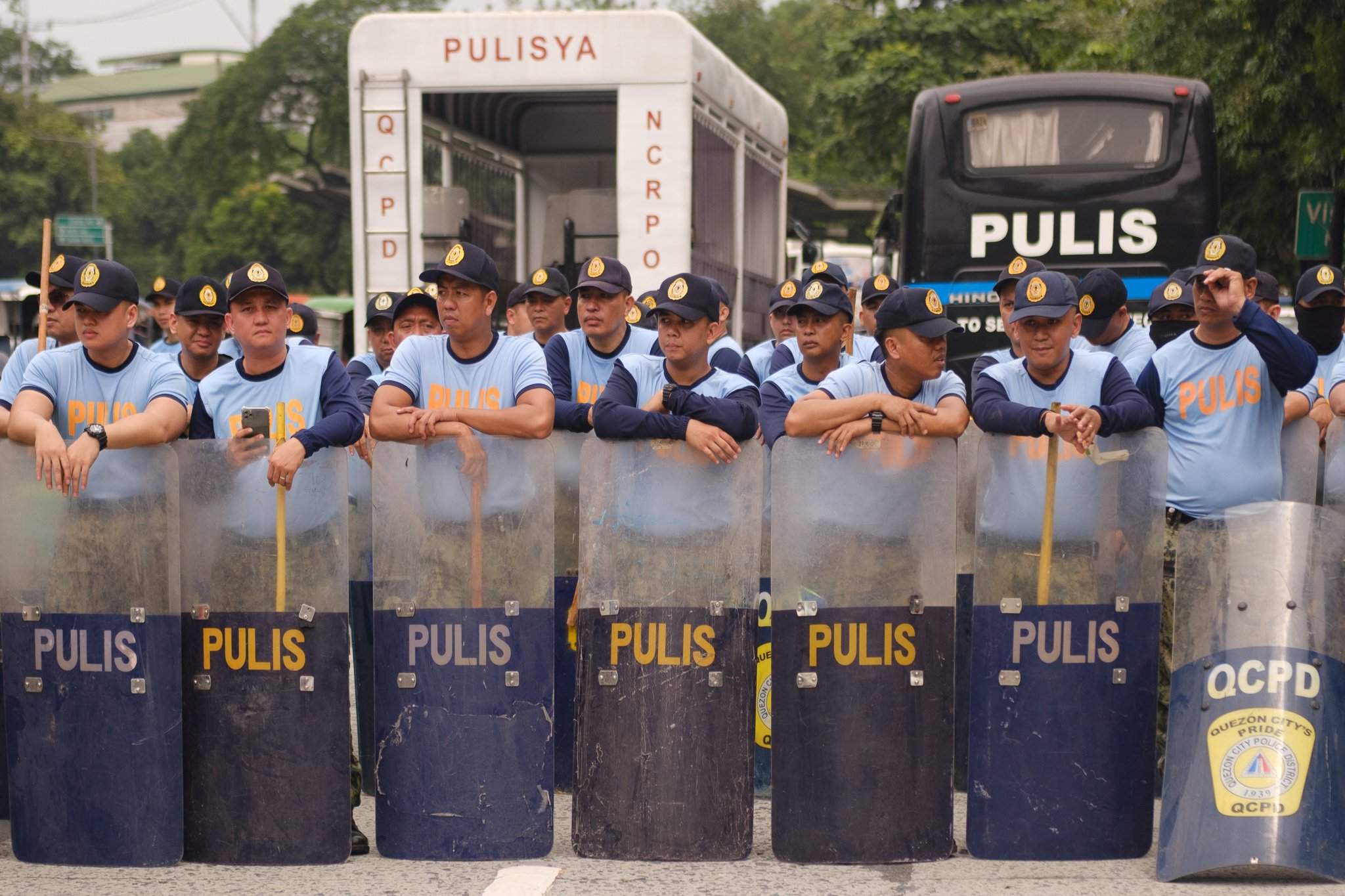
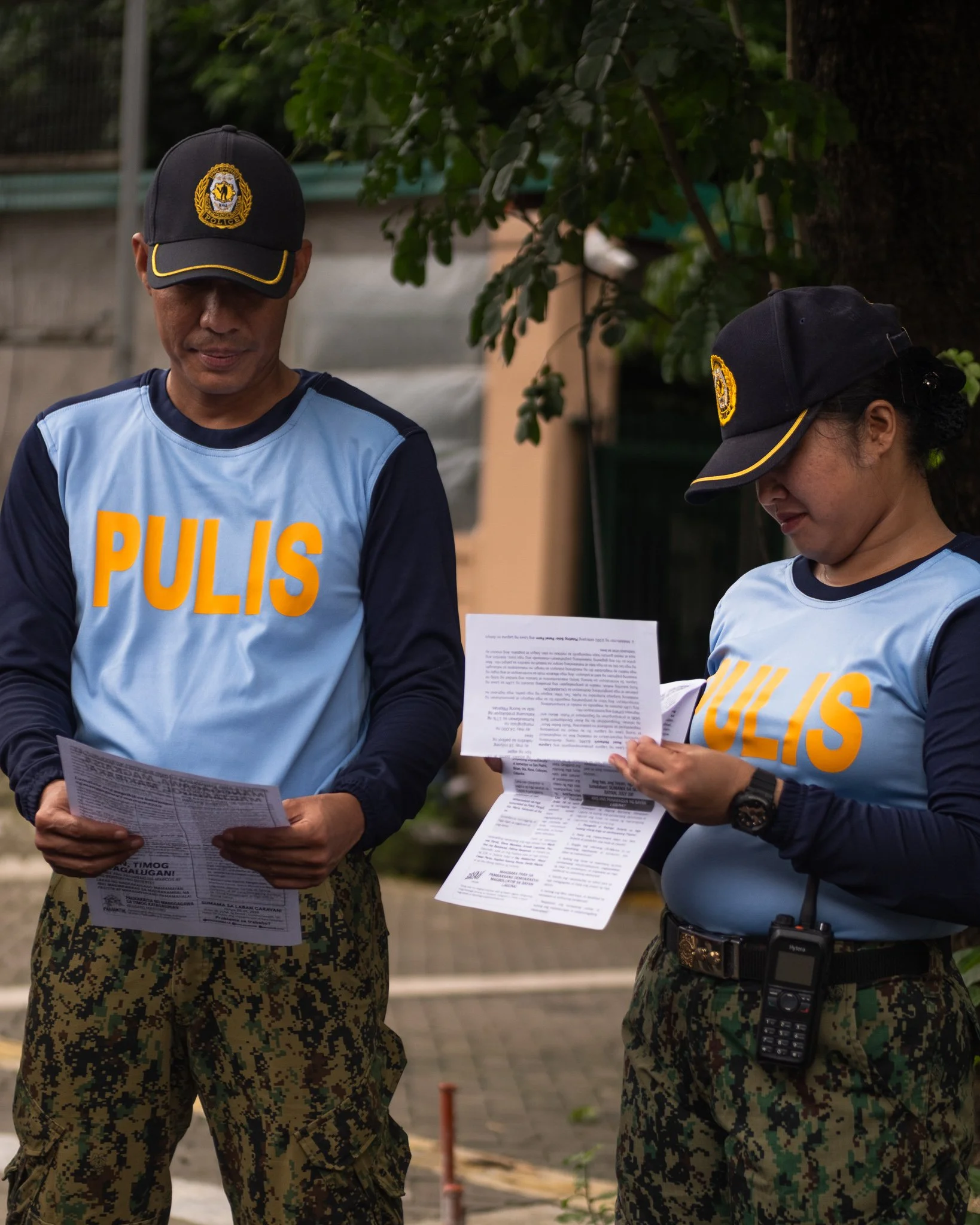
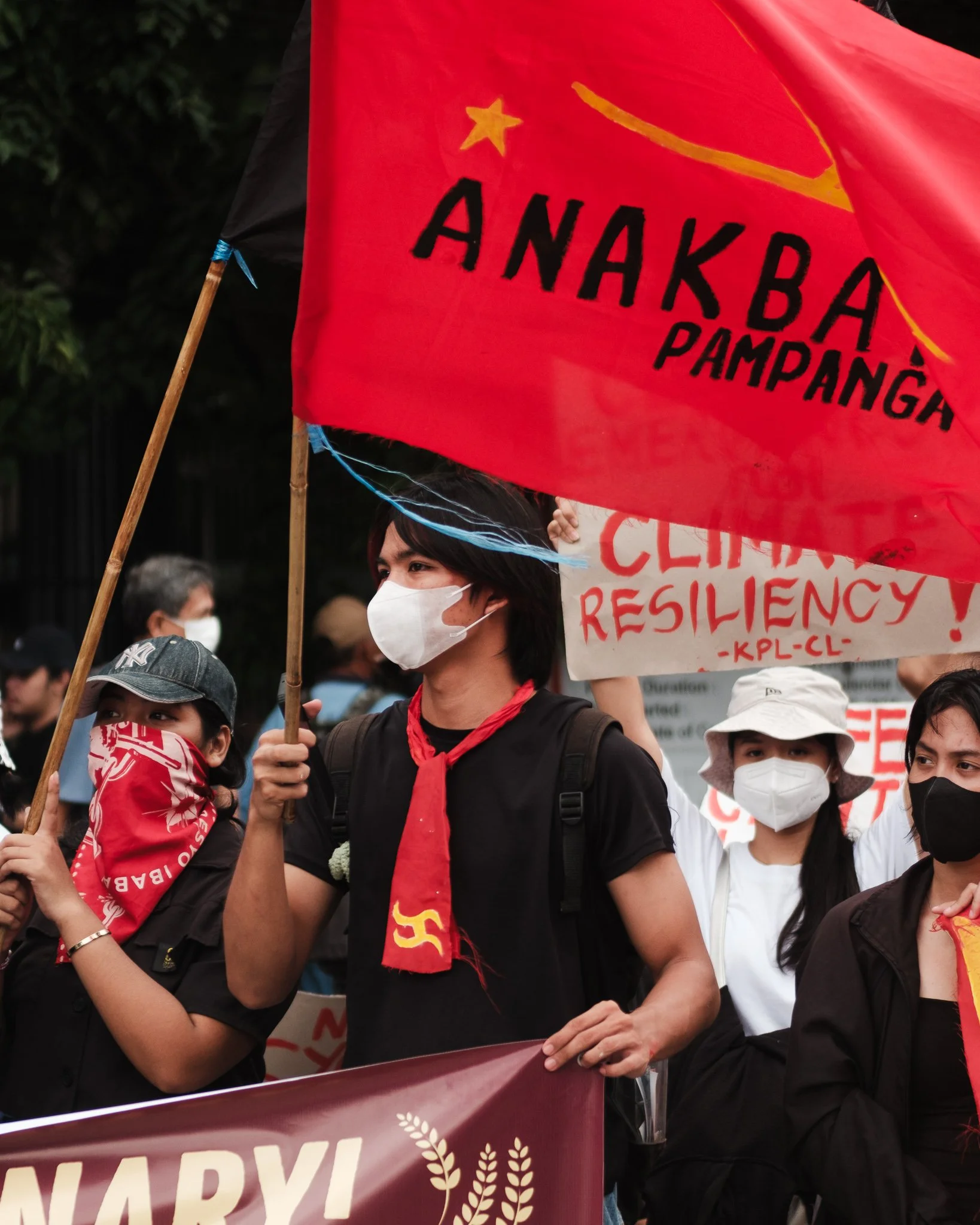
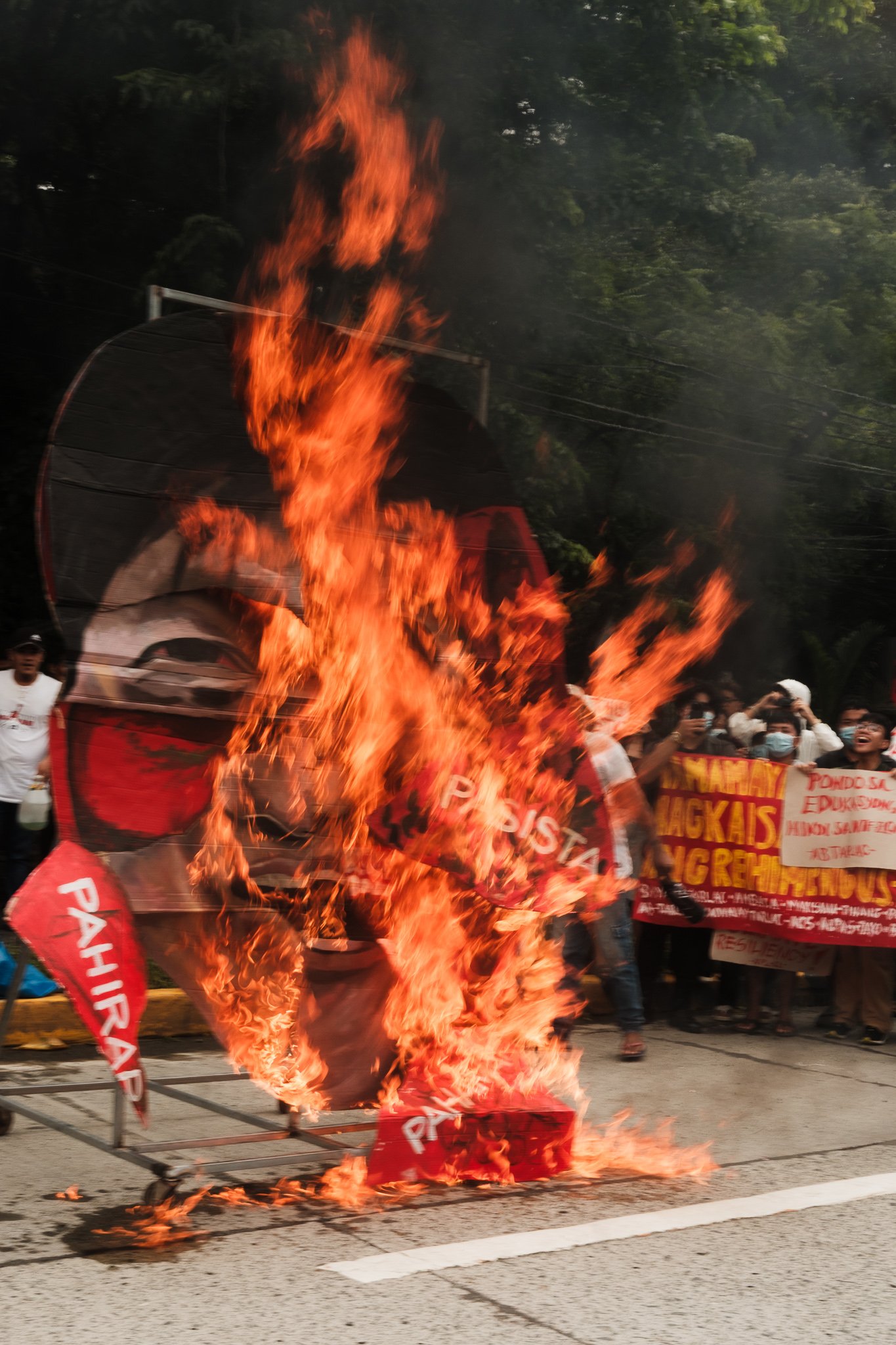
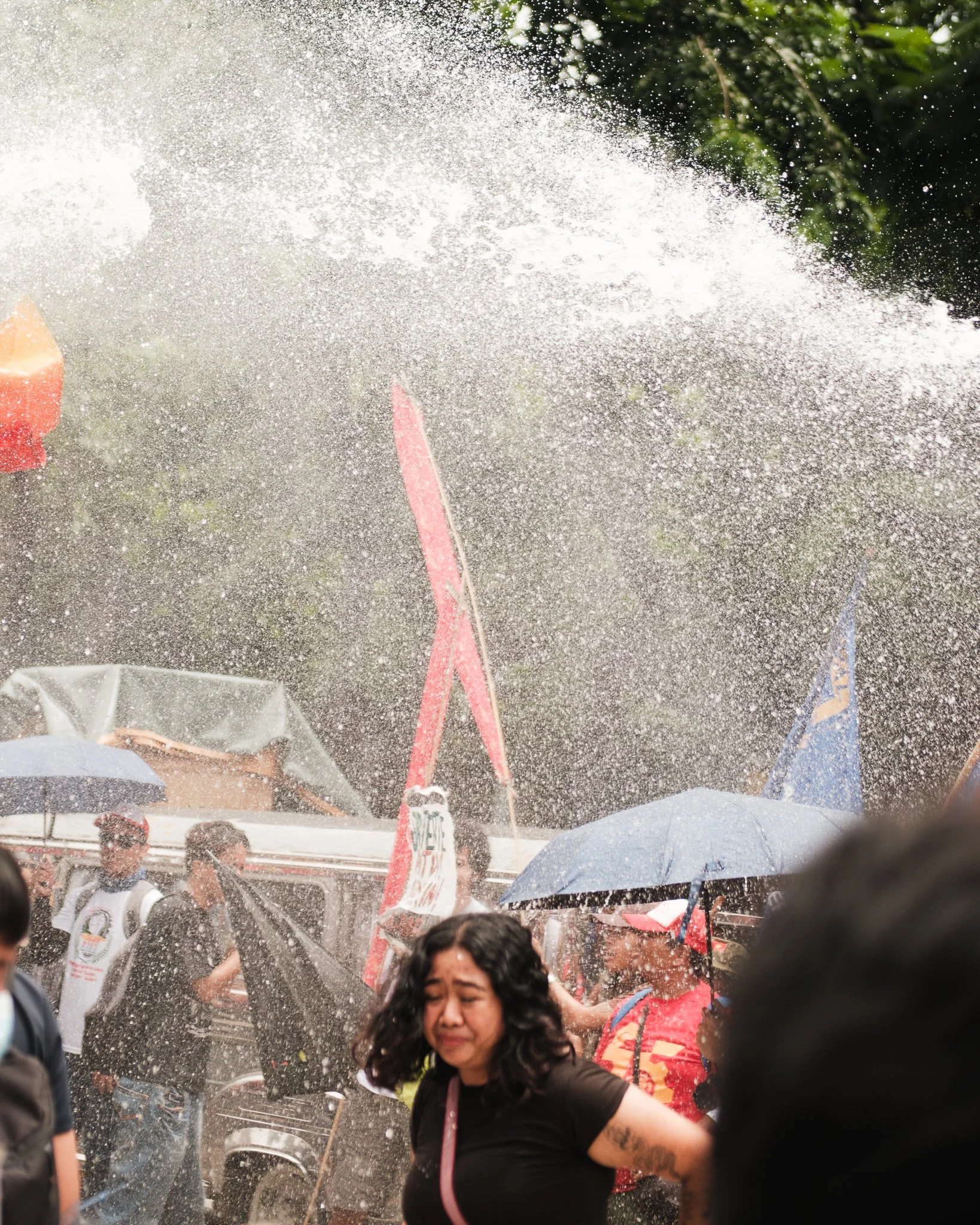
They march through heat and monsoon rain, past police lines and water cannons, carrying hand-painted banners that list the numbers the official SONA won't name: landlessness, extrajudicial killings, hunger, climate catastrophe, U.S. military bases. At the front of the march, effigies burn: politicians rendered in paper and bamboo, engulfed in smoke that rises like an annual verdict. This is PSONA—not symbolic performance but material organizing, where social movements reject the state's mythmaking of the nation itself and assert their own.
A colonial ritual inverted
The ritual itself carries colonial inheritance. The SONA was imported from the United States State of the Union Address. The Philippines’ first was delivered by Manuel L. Quezon in 1935 during the Commonwealth period, while the Philippines remained under formal U.S. rule. From the beginning, SONA was performance: a yearly report of development and stability, narrated by elites, staged for Congress and "the nation." But that staging was always contested.
From flashpoint to mass formation
When student and popular movements rose against dictatorship in 1970's First Quarter Storm, when they stormed the halls of power with such force that Marcos Sr. declared Martial Law in reaction, they transformed SONA day itself into a flashpoint. A generation radicalized. A ritual cracked open. From that moment forward, SONA became a site of confrontation, drawing workers and peasants, urban poor and church communities, Indigenous nations and students, Moro and Lumad peoples, women's organizations and labor unions, teachers and scientists, overseas workers and youth movements: the vast, diverse infrastructure of what would consolidate as the National Democratic movement, spanning sectors and islands, building the most expansive mass formation in Philippine political life.
The People’s report
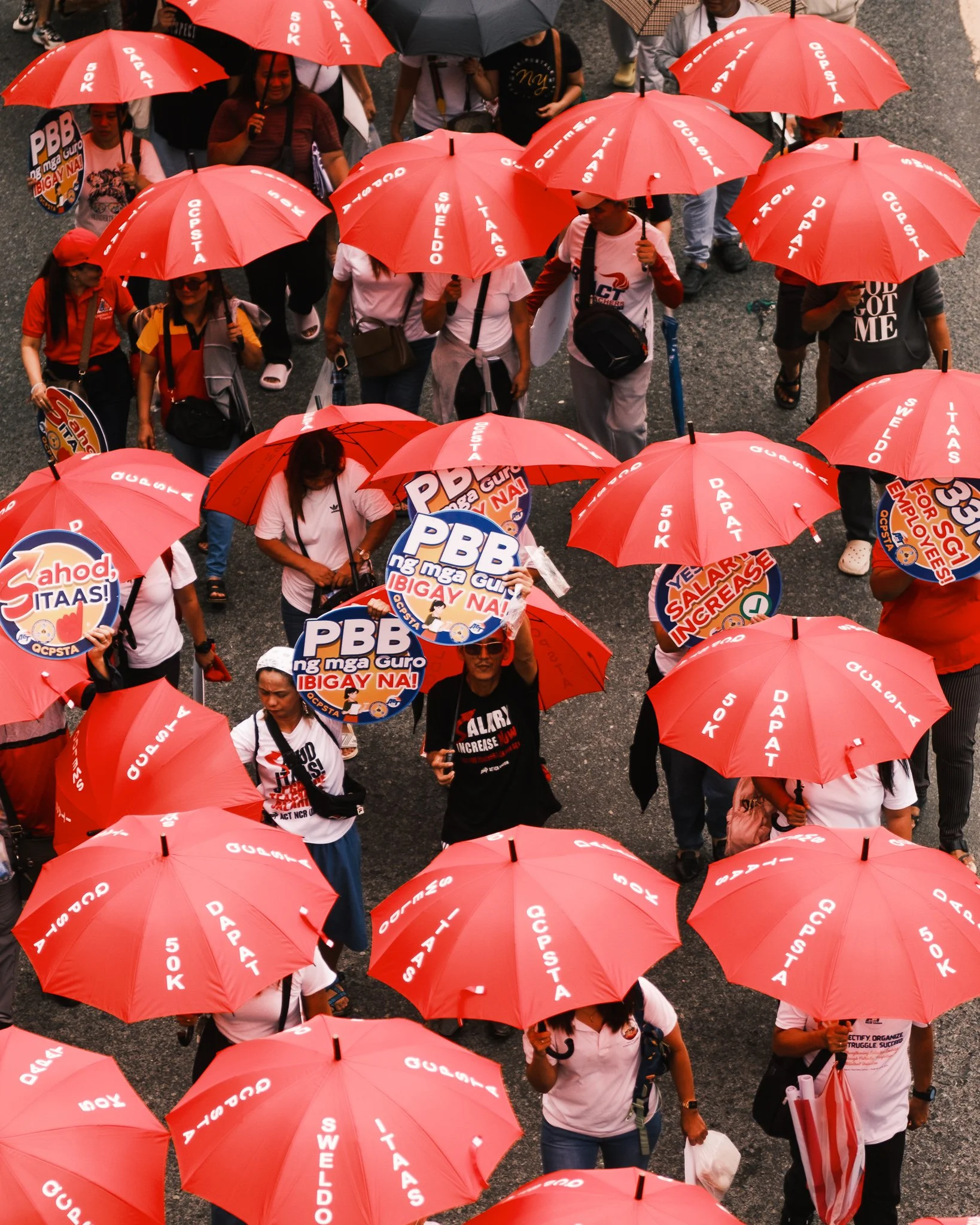
By the turn of the millennium, under Gloria Macapagal-Arroyo, those annual mobilizations had consolidated into "the People's SONA": a fully named counter-ritual, structured like a movement-authored state of the nation report. Where the president claims progress on climate resilience and flood control, the people's report documents billions in diverted funds, communities submerged, infrastructure projects that serve extraction rather than protection. Where the state narrates development, movements name dispossession. The march proceeds sector by sector, each carrying their own accounting written on banners and placards, on rice sacks worn by farmers, on umbrellas that reveal demands when viewed from above, on pieces of wood, on bodies themselves, on the effigies later set aflame. Under Duterte (2016–2022), PSONA spread beyond the archipelago; diaspora communities held parallel actions at consulates abroad. Under Marcos Jr., the pattern deepens: two competing reports, one colonial ritual inverted, red flags across the nation and beyond.



For exhibition inquiries, editorial use, or collaborative opportunities, contact booking@jomageneciran.com
Quezon City, Philippines · July 28, 2025
Photographs © Joma Geneciran